
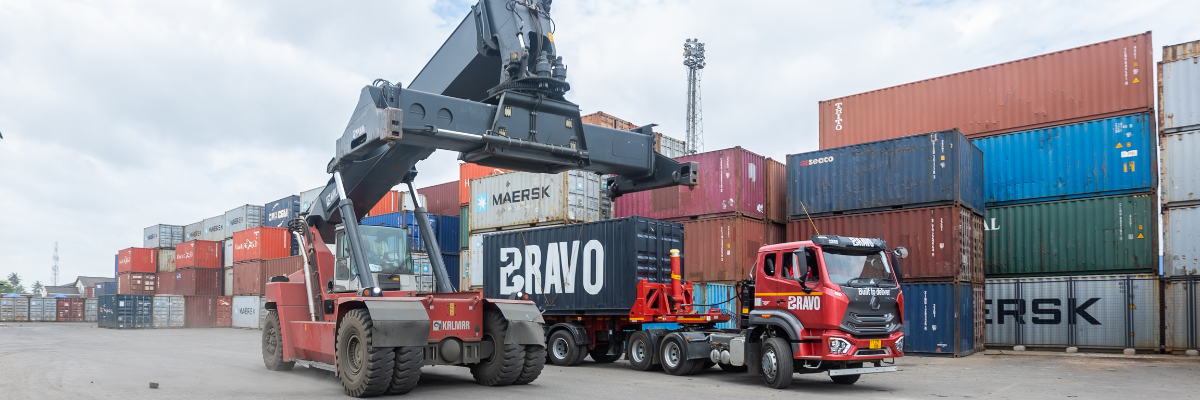
Container Freight Station services in Tanzania
Export cargo storage, handling, consolidation, and port dispatch
With more than 20 years of logistics experience, Bravo Group supports regional exporters that require secure cargo staging, documentation support, VGM weighing, cargo handling, and coordinated movement to port. Our work is closely connected to wider freight forwarding services, transport and freight solutions, and sea freight operations, helping clients move cargo with greater structure from inland origin to final export.
A major part of our export activity supports precious metals, especially copper and cobalt from the DRC and surrounding regions. We also support growing agricultural export cargo flows, with operations linked to key facilities such as TAZARA and Ubungo. In all cases, the purpose of the CFS is clear. Cargo is received and managed at the facility before it is moved to the port for export.
Ready to strengthen your export cargo flow? Contact Bravo Group today.
What is a container freight station
A container freight station is a cargo handling and storage facility used to support shipments before they move through the port. In Bravo Group’s operating context, the CFS is primarily an export support facility. Cargo is brought into the station, stored in a controlled environment, prepared for shipment, and then transported to the port for loading onto a vessel.
This is why the CFS should be understood as an active export operations facility rather than a passive holding point. It helps exporters improve cargo readiness, maintain handling discipline, and coordinate port movement more effectively.
How Bravo Group’s CFS supports export operations
Bravo Group’s CFS is designed for businesses that need reliable export preparation before cargo reaches the port. Goods are received into the facility, assessed, stored, and managed according to shipment requirements. From there, cargo can be consolidated where appropriate, weighed, documented, and prepared for onward transport.
This model is especially valuable for cargo that moves across regional trade corridors before export. For clients handling minerals, metals, industrial cargo, and agricultural products, the CFS provides a more structured operating environment that improves readiness for vessel loading and reduces avoidable pressure closer to the port.
Because export supply chains rarely operate in isolation, our CFS also works hand in hand with cross-border logistics, warehousing services, and inland cargo coordination.
Our container freight station services
Cargo receipt and controlled storage
We receive export cargo into our CFS from mines, processing facilities, inland depots, agricultural sources, and other commercial origins. Once cargo enters the facility, it is stored in a controlled environment that supports visibility, handling discipline, and readiness for the next stage of movement.
Export cargo handling and consolidation
Where required, we consolidate cargo to improve shipment planning and container utilization. We also manage cargo handling in a way that protects cargo integrity while supporting smoother preparation for export dispatch.
Documentation and customs support
Our team supports the documentation and customs processes required to move export cargo efficiently. This helps reduce delays, improve compliance, and strengthen coordination between cargo readiness and port timelines.
VGM weighing and shipment preparation
We provide VGM weighing as part of export preparation so cargo is ready for movement in line with shipping and safety requirements. This step is important for ensuring cargo is properly prepared before transport to the port.
Port transportation coordination
Once cargo is ready, Bravo Group coordinates transport from the CFS to the port for vessel loading. This connection between cargo preparation and port movement is central to the value of the CFS.
Why exporters use Bravo Group’s CFS
Exporters use Bravo Group’s CFS because it gives them stronger cargo control before shipment. Instead of moving cargo directly into a more pressured port environment, clients can use the CFS to improve organization, manage documentation, and prepare cargo properly before final dispatch.
This improves cargo readiness, strengthens handling control, and creates a more reliable connection between inland operations and port export. It also helps businesses manage complex regional cargo flows with better visibility and more practical coordination.
For businesses with wider supply chain needs, the CFS becomes even more effective when integrated with project cargo support, warehousing, and transport and freight.
Sectors we support
Bravo Group supports export-driven businesses across mining, metals, agriculture, manufacturing, and regional trade. A major area of strength is the movement of copper and cobalt from the DRC and surrounding regions, alongside agricultural cargo that is expected to continue growing across the export market.
This experience allows us to support cargo that requires disciplined handling, practical staging, and dependable port coordination.
The Bravo Group CFS process
The process begins when export cargo is received at our facility from its inland origin. Once received, cargo is stored and managed in a controlled environment where it can be prepared according to shipment requirements.
After storage and handling, the cargo moves through documentation support, weighing, and any required consolidation activity. Once the shipment is ready, Bravo Group coordinates movement from the CFS to the port so that the cargo can proceed to vessel loading.
This process gives exporters stronger operational control before cargo enters the port environment and helps reduce inefficiencies that often arise when cargo preparation is left too late.
Why Bravo Group
Bravo Group combines infrastructure, operational experience, and regional cargo understanding to support export movements with more control and reliability. We understand the practical realities of moving cargo from inland sources to the port and the need for disciplined coordination before vessel loading.
Our CFS is not positioned as a generic cargo point. It is an export-focused facility that supports storage, handling, shipment readiness, and dispatch to port as part of a wider logistics system.
If your business is also moving import or transit cargo inland from the port, you may also benefit from our Inland Container Depot services, which are structured differently from export CFS operations.
FAQs about Container Freight Station services in Tanzania
What is a container freight station
A container freight station is a cargo handling and storage facility used to receive, manage, and prepare cargo before onward shipment. In Bravo Group’s case, the CFS primarily supports export cargo before it moves to the port.
Does Bravo Group’s CFS handle export cargo
Yes. Our CFS is focused on export operations. Cargo is received, stored, handled, prepared, and then dispatched to the port for vessel loading.
What type of cargo moves through Bravo Group’s CFS
A significant part of our business supports precious metals exports, especially copper and cobalt from the DRC and surrounding regions. We also support agricultural export cargo and other commercial shipments that require organized preparation before port movement.
How is a CFS different from an ICD
A CFS supports export cargo preparation before movement to the port. An ICD is a dry port extension used for import and transit cargo that has already moved inland from the port. If you need storage, clearance, and inland delivery for import or transit cargo, see our ICD services.
Is the CFS connected to port operations
Yes. Cargo handled at the CFS is ultimately coordinated for transport to the port and onward vessel loading.
Conclusion
For businesses looking for reliable container freight station services in Tanzania, Bravo Group offers an export-focused solution built around cargo storage, handling, consolidation, and port dispatch. We help clients move export cargo with better structure, better readiness, and better coordination from inland origin to vessel loading.
To discuss your cargo flow, speak to Bravo Group today.